

If you’re planning a store remodel, refresh, or rollout, there’s one uncomfortable truth most teams don’t want to face:
You can’t plan what you don’t understand.
An as-built survey is not just a drawing of what exists. It is the foundation of information that allows a team to decide what can stay, what needs repair, and what must be replaced. It is the before picture that makes an after picture possible.
Without it, planning becomes guesswork.
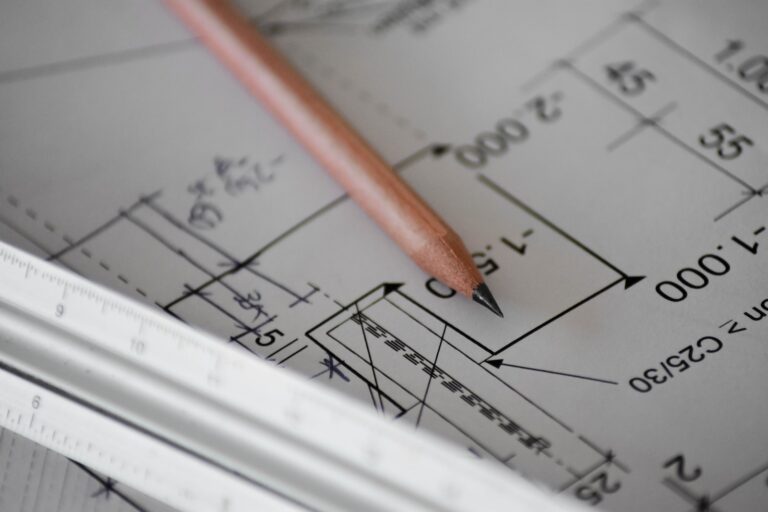
In theory, you could show up to a construction site with materials and figure things out as you go. In practice, that approach is expensive, slow, and stressful—which is precisely why planning exists. Virtual planning is far more cost-effective and time-efficient than physical problem-solving in the field. And the as-built survey is what makes that planning possible.
This is why existing conditions matter so much. Existing conditions aren’t just “what’s there now.” They are the starting point for every downstream decision—from layout and scope to budget, sequencing, and installation strategy.
A strong as-built survey sets half the equation. The design team already knows where they want to go. The survey clarifies where they’re starting from. Planning is simply the disciplined process of moving from one to the other.
When surveys are weak, teams hedge. They design “safe.” They leave space unused. They accept compromises they don’t actually want—because they don’t trust the information enough to be precise. The result is not just inefficiency, but missed opportunity.
High-quality as-built surveys create confidence. Confidence allows teams to plan deeply, decide early, and execute smoothly. That’s not a luxury. It’s the difference between a project that feels controlled and one that feels chaotic.
If the foundation is unclear, everything above it wobbles.
If the foundation is solid, everything else gets easier.